Woodworking Tools for Beginners: Essential Picks and Buying Guide
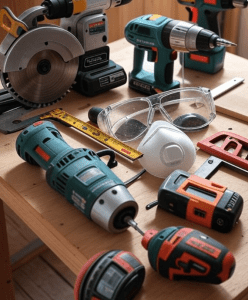 Welcome to the exciting world of woodworking! Starting out can be overwhelming with the vast array of tools available.
To help you get started, we’ve compiled a list of essential tools every beginner should have, along with a buying guide to ensure you make the right choices.
Essential Woodworking Tools for Beginners
- Circular Saw
- Why: Ideal for making straight, accurate cuts in wood.
- Features to Look For: Cordless models for portability, adjustable blade depth, and a laser guide for precision.
- Jigsaw
- Why: Perfect for curved and intricate cuts.
- Features to Look For: Variable speed settings, orbital action for smoother cuts, and a comfortable grip.
- Random Orbital Sander
- Why: Essential for smoothing surfaces and removing paint or finish.
- Features to Look For: Variable speed, dust collection system, and different grit sandpaper options.
- Cordless Drill/Driver
- Why: Versatile for drilling holes and driving screws.
- Features to Look For: Lithium-ion batteries for longer life, multiple speed settings, and a keyless chuck for easy bit changes.
- Tape Measure
- Why: Crucial for accurate measurements.
- Features to Look For: Locking mechanism, easy-to-read markings, and a durable, flexible blade.
- Carpenter’s Square
- Why: Ensures your cuts are square and accurate.
- Features to Look For: Stainless steel for durability, clear markings, and a comfortable grip.
- Clamps
- Why: Hold your workpieces securely in place while you work.
- Features to Look For: Various sizes for different projects, quick-release mechanisms, and non-marring pads to protect your wood.
- Safety Gear
- Why: Protects you from injuries and ensures a safe working environment.
- Features to Look For: Safety glasses with side shields, ear protection, and a dust mask.
Buying Guide
- Set a Budget: Determine how much you’re willing to spend. Remember, you can always upgrade later as your skills and needs evolve.
- Read Reviews: Check online reviews and ratings to understand the tool’s performance and reliability.
- Brand Reputation: Opt for well-known brands with a history of quality and durability.
- Warranty and Support: Look for tools with good warranty coverage and accessible customer support.
- Versatility: Choose tools that can handle a variety of tasks to maximize their usefulness.
Where to Buy
- Local Hardware Stores: Great for immediate needs and expert advice.
- Online Retailers: Offer a wide selection and often competitive prices.
- Specialty Woodworking Stores: Provide specialized tools and knowledgeable staff.
Starting with these essential tools will give you a solid foundation for your woodworking journey. As you gain experience, you can expand your toolkit to include more specialized equipment. Happy woodworking!
Join Us Online
Facebook
Instagram
Pinterest
You Tube: @VisitWoodcraftSpectrum
Visit Our Blog For More